Today, the Countdown to Canada day continues with the provinces of Quebec, Ontario, and Saskatchewan as well as the territory of Nunavut.
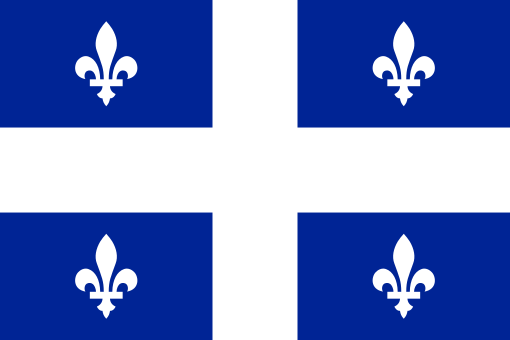
Quebec’s flag, known as the Fleurdelisé, was the first provincial flag officially adopted in Canada and was originally shown on January 21, 1948, at the Parliament Building in Québec City. It’s defined in chapter D-12.1, an Act respecting the flag and emblems of Québec as “The flag of Québec is a white cross on a blue field, with a white fleur-de-lis in each canton or, in heraldic terms, azure, a cross between four fleurs-de-lis argent. The flag is of the proportions three by length and two by width.”
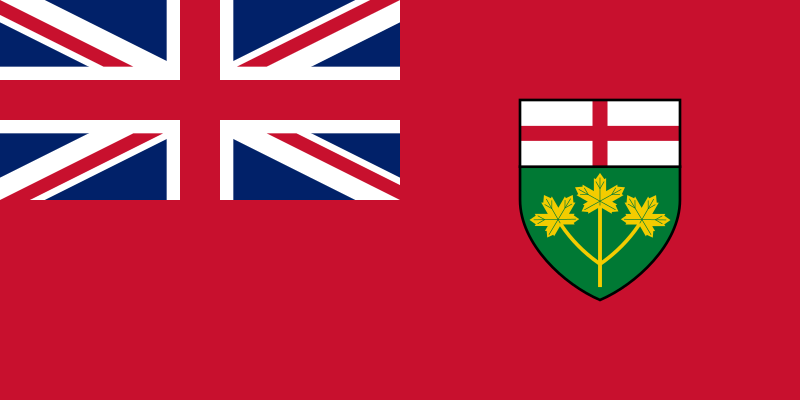
The Province of Ontario’s official flag was adopted in 1965. The flag includes the Union Jack, representing Ontario’s roots as a part of the British Empire, and Ontario’s Shield of Arms, symbolizing the province’s loyalty to Canada. Ontario’s Flag Act defines the flag as follows, “A flag of the shade of red specified in the next following paragraph and of the proportions two by length and one by width with the Union Jack occupying the upper quarter next the staff and with the shield of the armorial bearings of the Province of Ontario centred in the half farthest from the staff. British Admiralty Colour Code No. T1144 for nylon worsted bunting and No. T818A for other bunting.”
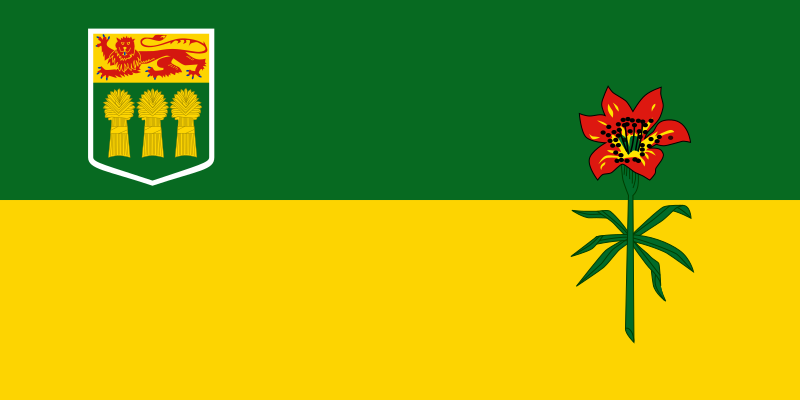
The flag of Saskatchewan was adopted in 1969. The upper half is green, representing the northern-forested areas of the province; the lower half is gold, representing the southern grain areas. It has both the shield of arms and the Prairie Lilly emblazoned upon it.
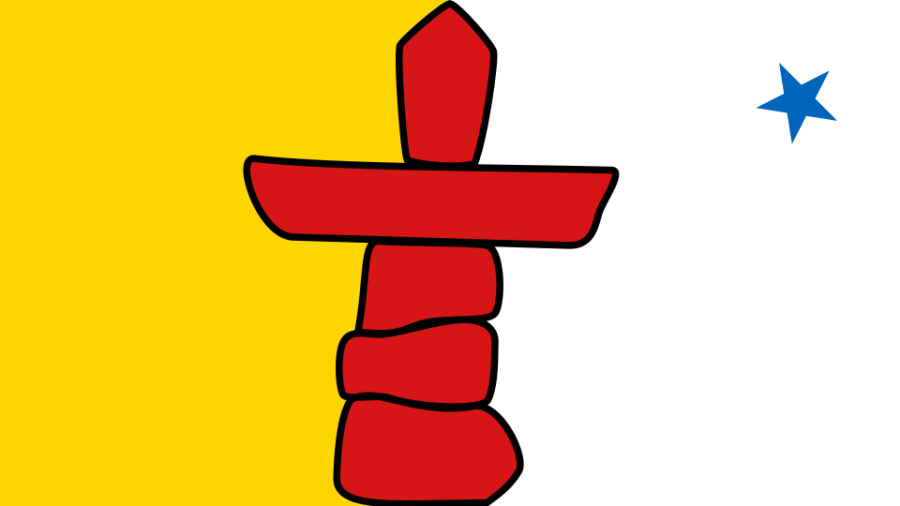
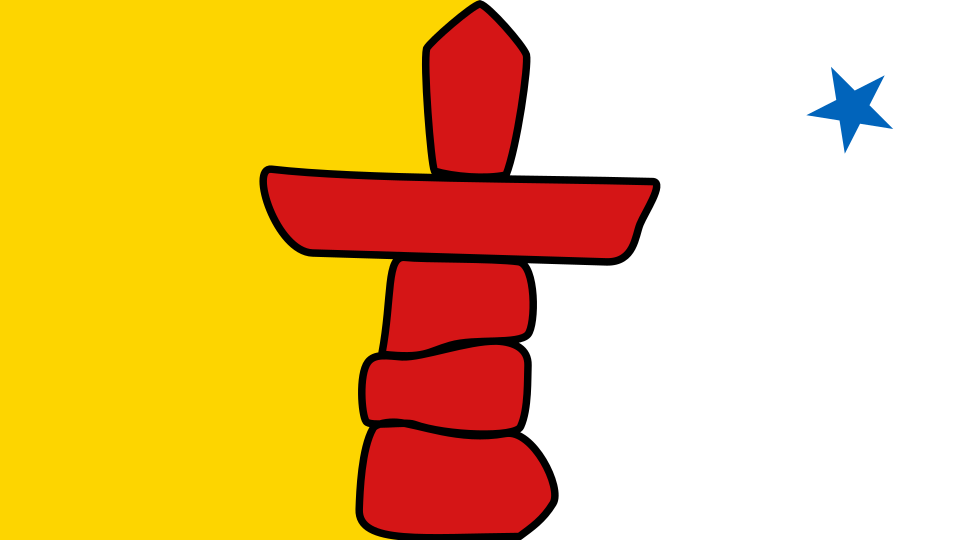
In the flag of Nunavut, The colors blue and yellow symbolize the riches of the land, sea and sky. Red is a reference to Canada. The Inuksuk (centered) symbolizes stone monuments which guide people on the land, and also marks sacred and other special places. The star is the Niqirtsuituq (North Star), and the traditional guide for navigation. The North Star is also symbolic of the leadership of the elders in the community.
 Cruesbreck Flags